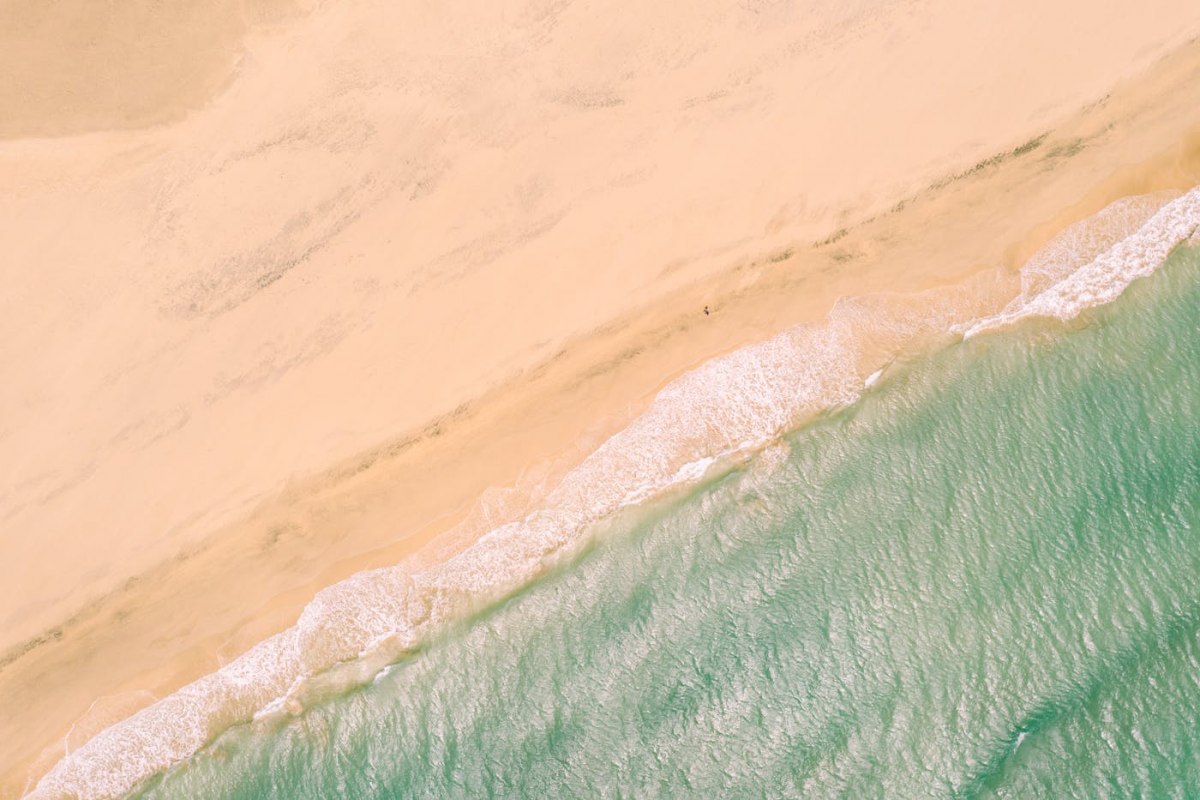
El Cotillo is the laid-back fishing village on Fuerteventura’s north-west tip, and it has become the island’s favourite escape from the big resorts. It pairs two completely different coastlines, a string of calm, shallow turquoise lagoons on one side and powerful surf beaches on the other, around an old harbour where fishermen still work and the sunsets face the open Atlantic. This guide covers what to see and do. For the wider island, see our Fuerteventura travel guide.
Two coasts, one village
What makes El Cotillo special is that it offers two opposite beach experiences within a short walk, which is rare on any island:
- The lagoons, Los Lagos: north of the old harbour, a series of shallow turquoise pools sheltered by offshore reefs and low rock walls, where the water stays calm, clear and warm. This is some of the safest swimming on Fuerteventura and a favourite with families and snorkellers.
- The surf beaches: south of the village, the long Playa del Castillo, also called Piedra Playa, takes the full force of the Atlantic swell, with strong waves and currents that make it a magnet for surfers and bodyboarders rather than swimmers.
The contrast means a family can have a calm lagoon morning and watch the surf in the afternoon, all within the same small village, and it is a large part of why El Cotillo has built such a devoted following among returning visitors.
The lighthouse and the fishing museum
At the northern point beyond the lagoons stands the Faro del Toston, a historic lighthouse on the rocky shore with wide Atlantic views. It now houses a small Museo de la Pesca Tradicional, the traditional fishing museum, which tells the maritime story of this coast: the boats, the gear, the salt-fish trade and the hard life of the families who lived from the sea. It is a modest but genuine local museum, and the walk or drive out to the point past the lagoons is worth it in itself, especially toward sunset.
The watchtower and the pirate past
Near the harbour stands the Torre del Toston, a round, two-storey stone watchtower begun in the early eighteenth century to a design by the military engineer Claudio de l’Isle. El Cotillo’s small natural harbour had grown into a fishing and trading port, shipping out cochineal dye, livestock and grain, and that traffic drew English, Berber and French raiders, which is why the crown built the tower to defend it. The ground floor served as a store, the vaulted main floor housed a garrison of up to twelve men, and a stair led to the rooftop platform where iron cannons covered the anchorage. Declared a historic monument of cultural interest in 1949, it now holds a small exhibition on the island’s history and doubles as the village tourist information point, with a fine view over the harbour and the sea. It is a tangible reminder that the same pirate threat which pushed the island’s capital inland to Betancuria also shaped the coast.
The harbour and the village
El Cotillo keeps a working fishing harbour, the beating heart of the place, where colourful boats bob on clear water and fishermen still land their catch as they have for generations. Around it cluster the village’s best assets for a visitor: a handful of excellent seafood restaurants serving the day’s fish with papas arrugadas and mojo, low-key bars, surf shops and small apartments rather than big hotels. The atmosphere is deliberately unpolished and slow, which is exactly why surfers, independent travellers and those who find the resorts too packaged choose to base themselves here. Our quiet resorts guide covers staying in the village.
From quiet backwater to favourite escape
El Cotillo’s story is part of its charm. For most of the twentieth century it was a remote fishing hamlet at the end of the road, overlooked entirely as the package resorts boomed at Corralejo, Caleta de Fuste and Jandia. That neglect is exactly why it kept its character while the rest of the coast was built up, and over the last couple of decades a different kind of visitor found it: surfers chasing the north-west swell, independent travellers wanting a village rather than a resort, and families after the safe lagoons. The result today is a place that has grown but stayed low-rise and low-key, with apartments and small guesthouses rather than tower hotels, and a year-round community of locals, fishers and a long-term international crowd drawn by the surf and the slow pace. It is the clearest example on Fuerteventura of the alternative to the package model, and our quiet resorts guide and beaches guide place it in the wider island.
The beaches in detail
It helps to know which beach is which before you go, because they could not be more different:
- Los Lagos and Playa de la Concha: the reef-protected lagoons just north of the old harbour, shallow, calm and turquoise, the safest swimming and best for young children and snorkelling.
- Playa del Castillo (Piedra Playa): the long sandy surf beach south of the village, with consistent waves and strong currents, for surfers and bodyboarders rather than swimmers, and a fine sunset spot.
- The northern coves toward the lighthouse: a string of small sandy bays and rock pools between the lagoons and the Faro del Toston, quieter and worth the walk.
- The harbour beach: a small sheltered patch by the old port, handy for a quick dip between meals.
The golden rule is simple: swim and snorkel on the lagoon side, surf and watch the sunset on the ocean side, and always heed the flags on the exposed beaches.
Things to do around El Cotillo
- Swim and snorkel the lagoons: the sheltered pools are ideal for children and for spotting fish in the clear shallows.
- Learn to surf: the north-west breaks are a strong winter surf zone, with schools in the village, part of the wider scene in our windsurfing and surf guide.
- Watch the sunset: facing west, El Cotillo has the island’s best sunsets, seen from the lagoons, the harbour bars or the lighthouse point.
- Eat the catch: the harbour restaurants are among the best places on the island for simple, fresh fish.
- Walk the coast: level paths run along the shore past the lagoons, the old lime kilns and the lighthouse, easy and scenic.
Visiting El Cotillo
A few practical notes:
- Getting there: El Cotillo sits in the north-west, around 15 to 20 minutes by car from Corralejo and the dunes, easiest with a hire car as bus links are limited.
- Combine it: pair a visit with Corralejo and the dunes, covered in our things to do in Corralejo, or with the nearby volcano walk at Lajares.
- Wind and waves: the surf side is exposed and the currents are strong, so swim on the lagoon side and respect the warning flags on the ocean beaches.
- When to go: any time of year, with the lagoons best on a calm, sunny day and the surf at its biggest in autumn and winter.
Frequently asked questions
What is El Cotillo known for?
Its twin coastlines: the calm, shallow turquoise lagoons of Los Lagos for safe swimming, and the powerful Atlantic surf beaches to the south. It is also known as a laid-back fishing village with a working harbour, great seafood and the island’s best sunsets.
Are the El Cotillo lagoons good for children?
Yes. The reef-sheltered pools at Los Lagos stay shallow, calm and clear, making them some of the safest swimming on Fuerteventura for young children, though the surf beaches to the south are not for swimming.
What is there to see in El Cotillo village?
The Faro del Toston lighthouse with its traditional fishing museum, the eighteenth-century Torre del Toston watchtower, the working fishing harbour and its seafood restaurants, and the lagoons and surf beaches on either side.
How do you get to El Cotillo?
By car, around 15 to 20 minutes from Corralejo in the north of the island. Bus links are limited, so a hire car is the easiest way to visit and to combine it with the dunes or the Lajares volcano walk.
Is El Cotillo good for surfing?
Yes, the north-west beaches such as Piedra Playa are among the island’s better surf spots, especially in autumn and winter, with surf schools in the village. The lagoon side stays calm for swimming.
Is El Cotillo worth visiting?
Yes, especially if you want a low-key, authentic side of Fuerteventura. The twin lagoon and surf coasts, the working harbour and seafood, the lighthouse museum and the island’s best sunsets make it among the most rewarding half-day trips or quiet bases on the island, away from the big resorts.
Can you stay overnight in El Cotillo?
Yes, the village has apartments, small guesthouses and surf lodges rather than large hotels, which suits independent travellers, surfers and families who want a quiet, self-catering base with the lagoons and restaurants on the doorstep.